Space is crucial in a production environment. And yet, we often see that companies underestimate the impact of inefficient Super Sack (or FIBC, bulk bag) storage. At Indus, we visit factories every week. In different industries, we come across the same storage-related issues. These problems are often overlooked, but they can limit operational efficiency and slow down production growth.
1. Storage That Limits Adaptability
Many companies use fixed systems to store bulk material. Super Sacks are place in pallet racks, other companies use flow bins, or even indoor silos. But these solutions don’t always fit the reality of modern production environments.
Racks are not easy to move. Even when they’re empty, they take up valuable floor space. Flow bins are often heavy and difficult to clean, and they need to be returned after use. Silos are permanent structures that require significant investment and planning, and they can’t easily be adjusted to changes in production layout or capacity.
Flexible storage is often missing, and that limits the ability to respond to seasonal changes, increased order volumes, or layout optimizations.
2. Not Enough Storage Space
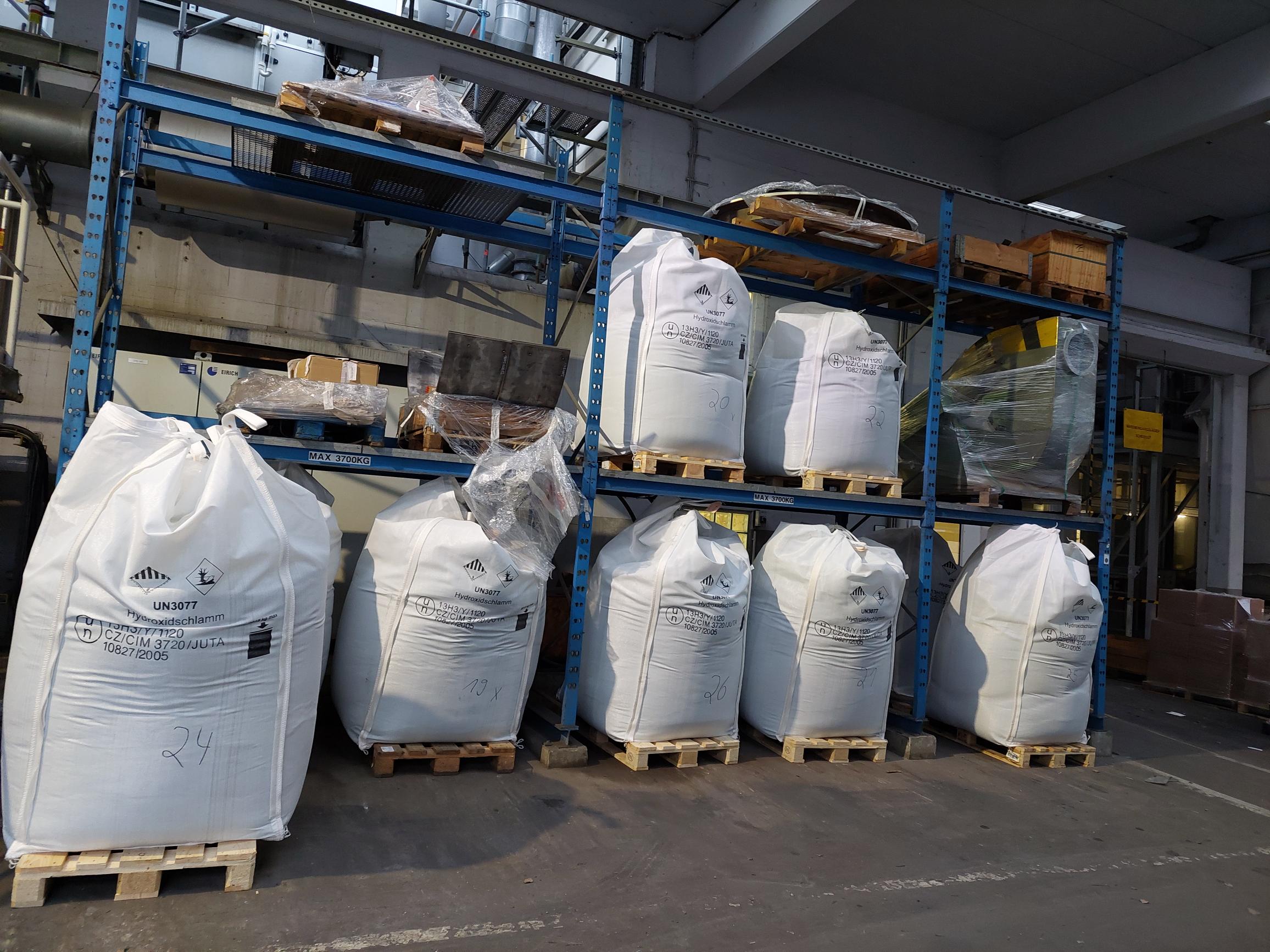
This is not always visible on the balance sheet, but it affects daily operations. If floor space is full, there is less room to move materials, prepare orders, or park mobile equipment. Materials are stored temporarily in production areas, which increases the chance of mistakes and delays.
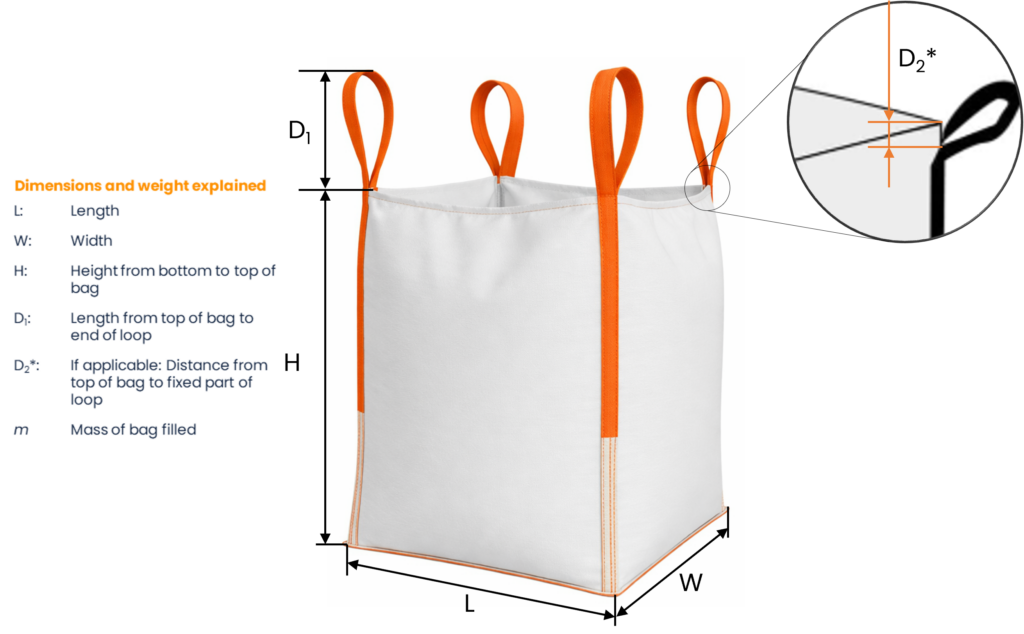
Also, it’s important to note that Super Sacks are not stackable by themselves. Without a dedicated system, you can only store them on the floor. In practice, this means vertical space goes unused, while the floor becomes overcrowded.
3. Relying on External Storage
When there is no space left inside, many companies choose to store Super Sacks externally. This leads to more transport, extra coordination, and higher costs. It also creates potential bottlenecks in production, especially if materials are not returned on time. What starts as a short-term solution can easily become a structural inefficiency.
A Few Examples From Practice
- Gustav Heess (oils): Created a 141 ft³ mini-silo of nuts on top of their unloading station to continuously feed the material to their oil presses.
- Promatrix (injection moulding): Saved up to 65% of storage space by stacking Super Sacks up to four levels high.
- Duyvis (PepsiCo, nuts): Created more usable floor space by switching from metal flow bins to stackable Super Sack systems.
How the Indus Neva Solves These Problems
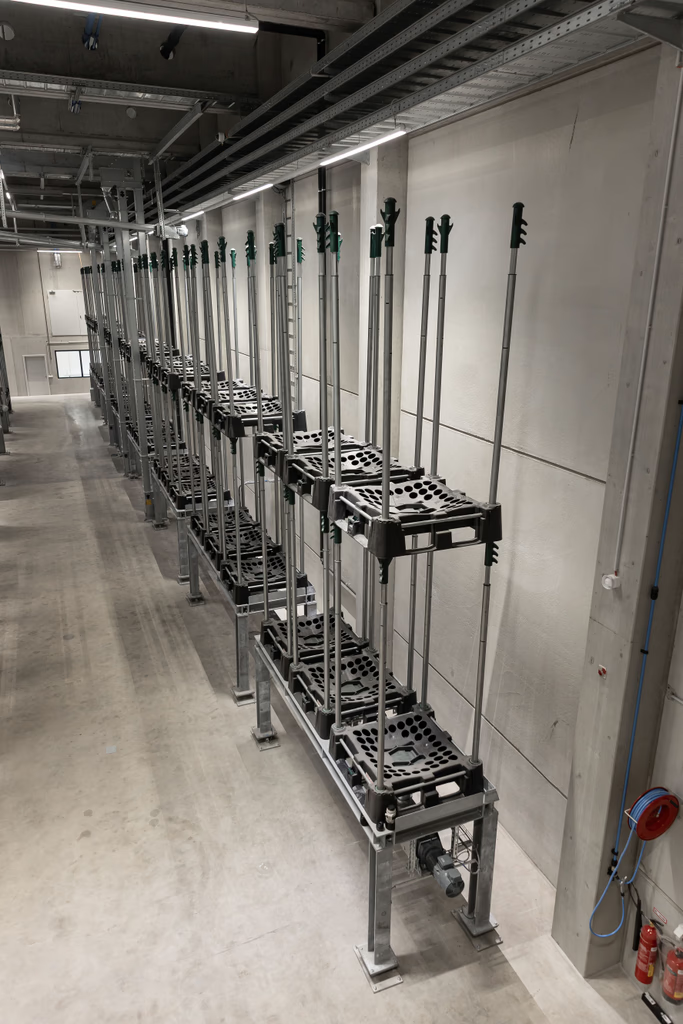
The Indus Neva is a modular Super Sack carrier system designed specifically for safe and efficient storage. It solves all three problems mentioned above:
- Flexible: The system can be added, removed, or moved as needed. No fixed racks or permanent structures.
- Stackable: Super Sacks can be safely stacked up to 23 ft high, with a maximum total stack load of 13,228 lb.
- Cost-efficient: The Neva replaces more expensive options like indoor silos or flow bins, while saving space and improving accessibility.
More than 50.000 Neva systems have been implemented worldwide, in numerous factories.